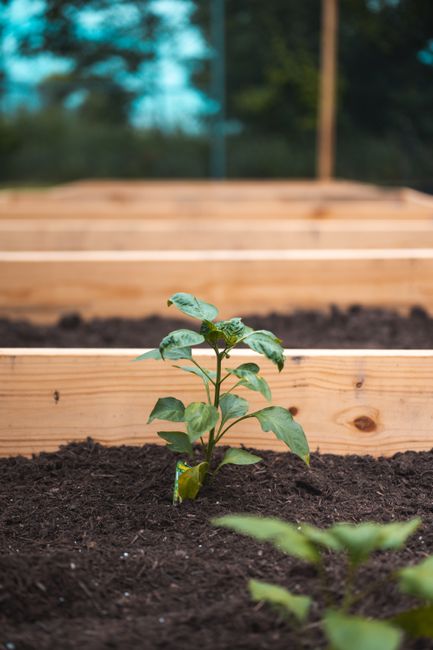
Garden maintenance tips for Figges Marsh and nearby terraces
If you live in Figges Marsh or one of the nearby terraces, you'll know the pattern: a small garden can go from neat to chaotic very quickly. One wet week, a bit of shade, a few windy days, and suddenly the lawn is patchy, the hedge is leaning, and the path has a stubborn film of moss. Garden maintenance tips for Figges Marsh and nearby terraces are less about fancy landscaping and more about keeping a compact outdoor space usable, tidy, and healthy without turning every weekend into a chore.
This guide is written for real homes, not showroom gardens. We'll look at what matters most in a local setting, how to maintain small terrace gardens efficiently, which jobs are worth doing yourself, and when it makes sense to get help. You'll also find a practical checklist, a comparison table, and a few hard-won tips that tend to save time. Truth be told, the small stuff usually makes the biggest difference.
Table of Contents
- Why Garden maintenance tips for Figges Marsh and nearby terraces Matters
- How Garden maintenance tips for Figges Marsh and nearby terraces Works
- Key Benefits and Practical Advantages
- Who This Is For and When It Makes Sense
- Step-by-Step Guidance
- Expert Tips for Better Results
- Common Mistakes to Avoid
- Tools, Resources and Recommendations
- Law, Compliance, Standards, or Best Practice
- Options, Methods, or Comparison Table
- Case Study or Real-World Example
- Practical Checklist
- Conclusion
- Frequently Asked Questions
Why Garden maintenance tips for Figges Marsh and nearby terraces Matters
Figges Marsh and the surrounding terrace streets tend to share a few garden traits: limited space, boundary fences or walls, nearby foot traffic, and a mix of shade and shelter that can encourage moss, weeds, and slow drainage. That combination sounds ordinary, but it changes how you maintain a garden. What works for a wide suburban plot often feels clumsy here.
In a terrace garden, neglect shows fast. A few uncut edges make the whole space look tired. A blocked drain or clogged gully can leave the patio slippery. A hedge left too long can spill over fences and make the garden feel cramped. And because so many homes in this part of south London use the garden as an extension of the kitchen or sitting room, the visual impact matters more than people sometimes admit.
There's also a practical side. Small gardens are usually easier to maintain in short bursts, but only if the routine is consistent. Let things build up for too long and you lose the benefit of the size. That's especially true after autumn leaf fall and through the darker winter months, when damp conditions linger and bare patches become obvious.
A compact terrace garden is forgiving only if you stay ahead of it. Miss a few basic tasks, and it starts to feel twice as busy as it really is.
Good maintenance is not about perfection. It's about keeping the space healthy, safe, and pleasant enough that you actually want to use it. That's the difference between a garden that gets ignored and one that quietly adds value to everyday life.
How Garden maintenance tips for Figges Marsh and nearby terraces Works
At its simplest, garden maintenance is a repeatable cycle: inspect, tidy, cut back, clear waste, and reset the space for the next week or season. In a terrace setting, the cycle needs to be lighter and more frequent. Little and often usually wins. A ten-minute sweep after windy weather can prevent a bigger clear-up later. A quick mow while the grass is just slightly too long is easier than rescuing an overgrown lawn three weeks later.
Think of the garden in layers. First comes the structure: lawn, beds, hedges, trees, fences, decking, paving. Then comes the condition of each layer: healthy, dry, overgrown, weedy, or damaged. Finally, there's the routine: what gets done weekly, monthly, seasonally, or only when needed. That's the basic logic behind efficient maintenance, and it works well for terraces because space is tight and every bit of neglect is visible.
If your garden includes hard surfaces, the maintenance plan should include sweeping, weed removal, algae control, and checking drainage. If it has planting beds, the plan shifts toward pruning, deadheading, mulching, and soil care. If there are mature shrubs or small trees, a cautious trimming schedule matters more than heavy cutting. To be fair, most gardens need a bit of all of that.
For many homeowners, the easiest approach is to combine occasional personal upkeep with scheduled professional help through garden maintenance services. That way, the basics stay under control without the job turning into a recurring headache.
Key Benefits and Practical Advantages
There are obvious benefits to keeping a garden tidy, but the less obvious ones are often more valuable. In a terrace home, a well-kept garden can make the whole property feel larger, brighter, and calmer. You notice it the moment you step outside. The space just breathes a bit more.
- Better use of space: A trimmed hedge, clear path, and neat edge make small gardens feel less crowded.
- Reduced wear and tear: Regular cleaning protects paving, decking, and planting areas from long-term neglect.
- Safer surfaces: Removing moss, leaf build-up, and loose debris helps reduce slips and trips.
- Healthier plants: Pruning, feeding, and weeding at the right time gives shrubs and borders a better chance.
- Less stress: A manageable routine is easier to live with than a once-a-season rescue mission.
- Better kerb appeal: Even a modest front or rear terrace garden looks more cared for when the basics are consistent.
There's a small but real morale boost in this too. A garden that looks ordered tends to get used more. People sit out for tea, open the back door without wincing at the mess, and actually enjoy the space. That sounds simple, because it is.
Who This Is For and When It Makes Sense
This approach suits homeowners, landlords, tenants, and anyone responsible for a compact outdoor space in or around Figges Marsh. It's especially useful if your garden has narrow side access, shared boundaries, raised beds, or a mix of lawn and paving. Terraced homes often bring all of those quirks together at once.
It makes sense when the garden is:
- too small to justify heavy machinery but too busy to ignore
- prone to weed growth, moss, or leaf fall
- used by children, pets, or visitors
- partly shaded by fences, nearby trees, or adjoining buildings
- becoming awkward to maintain because tasks have been left too long
It also makes sense if you enjoy parts of gardening but not all of it. Plenty of people are fine with planting and watering, but dread hedge trimming or green waste removal. Fair enough. Not everyone wants to spend Saturday afternoon wrestling with a heavy bin bag and a rake that's seen better days.
If the space is already too overgrown to manage comfortably, a one-off tidy-up or garden clearance may be the better starting point before you settle into a routine.
Step-by-Step Guidance
A simple routine is usually enough for terrace gardens. The point is consistency, not drama. Here's a practical way to approach it.
1. Start with a quick walk-through
Look for obvious problems first: weeds pushing through paving, broken stems, clogged gutters or drains, patches of standing water, dull lawn areas, and bins or furniture that have drifted into the wrong place. You can spot a lot in two minutes if you're paying attention.
2. Remove surface debris
Sweep patios, paths, and decking regularly. Leaves, twigs, and grit don't seem like much at first, but they trap moisture and make surfaces look older than they are. In damp weather, this step matters even more.
3. Deal with weeds early
Don't wait until they're fully established. Pull them when the soil is slightly moist and the roots come out more easily. For paved areas, a handheld weeding tool is often better than spraying, especially near borders and pets. A quick pass every week or two usually beats a big war later.
4. Mow the lawn before it gets shaggy
If you have a lawn, keep the cut regular and avoid taking off too much at once. Short, frequent mowing is kinder to the grass than drastic cuts. For many urban gardens, using a dependable lawn mowing service is the easiest way to keep the lawn looking clean without messing about with uneven cuts.
5. Trim hedges and shrubs lightly
Small terrace gardens can feel instantly more open after a hedge trim, but restraint matters. Light shaping is usually better than hard cutting, especially during active growth or nesting periods. If the hedge has become unruly, it may be worth looking at hedge trimming support rather than trying to force it back in one go.
6. Check boundaries, fences, and climbing plants
Climbers can be lovely, but they spread quickly. Tie in loose stems, remove dead sections, and watch for growth pushing into gutters, rooflines, or neighbouring properties. Small spaces need clear edges; otherwise the garden starts to feel like it is shrinking by stealth.
7. Feed, mulch, and water with purpose
In beds and containers, a little mulch helps retain moisture and keep weeds down. Water deeply rather than little and often, unless hot weather makes that impossible. In Britain, you often need to respond to the weather rather than the calendar. A sunny stretch in April can dry things out faster than you'd expect.
8. Remove waste properly
Bag up clippings, dead leaves, and prunings as you go. If waste is left in the corner "for later", later has a funny way of becoming next month. If the volume is more than you can handle sensibly, a one-off tidy with garden clearance can reset the space quickly.
9. Inspect hard surfaces and accessories
Decking boards, planters, edging, and furniture all need a quick check. Loose fixings, splitting timber, or slippery algae on paving are common in shaded terrace gardens. If your outdoor area includes timber structures, periodic help from decking services can keep them safer and better looking.
10. End with a reset
Put tools away, rinse off mud, and leave the garden in a ready state. It sounds minor, but it changes the whole experience next time you step outside. A tidy finish keeps momentum going.
Expert Tips for Better Results
Most of the best results come from timing and restraint. People often think they need to do more. Usually they need to do less, but more often. That's the trick.
- Work in short sessions: Twenty minutes after work can be more effective than a tired two-hour push on Sunday.
- Cut and clear in the same session: If you prune, bag the waste immediately. Otherwise the pile lingers and somehow grows.
- Stay gentle with old shrubs: Hard cuts can leave bare patches that take months to recover.
- Prioritise drainage points: A blocked drain or sunken patch is a bigger problem than a few weeds.
- Use the weather window: Dry days are better for sweeping and pruning; slightly damp soil is better for weed removal.
- Don't overfeed containers: Too much fertiliser can leave soft growth that flops or burns, especially in warmer spells.
One practical habit that helps a lot: keep a small caddy with gloves, secateurs, a hand fork, a trowel, and string. If the tools are ready, you're far more likely to do the job while you're thinking about it. That's the honest version.
If your garden has awkward levels, planting schemes, or tired paving, it may be worth speaking with a team that handles landscape gardening or broader landscaping rather than trying to patch everything piecemeal.
Common Mistakes to Avoid
Most terrace garden problems come from small, repeatable mistakes. Nothing dramatic. Just a string of little things that add up.
- Leaving pruning too late: By the time a shrub is clearly oversized, it's often harder to correct without stress to the plant.
- Cutting lawns too short: Scalping grass weakens it and encourages patchiness, especially during dry spells.
- Ignoring moss and algae: Shaded terraces are notorious for this, and it becomes slippery fast.
- Letting waste pile up: Green waste blocks access and makes the garden feel messy even after the main job is done.
- Using the wrong tools for tight spaces: A heavy machine can be more trouble than it's worth in a narrow garden.
- Overcrowding beds: Too many plants in a small area compete for light, water, and airflow.
A quieter mistake is forgetting to step back and look at the whole space. You can spend ages on individual plants and still miss the fact that the border line is ragged or the path is dark with dirt. Perspective helps. Always does.
Tools, Resources and Recommendations
You don't need a shed full of kit. For most terrace gardens, a modest set of reliable tools is enough.
| Tool or resource | Best use | Why it helps in terrace gardens |
|---|---|---|
| Hand fork and trowel | Weeding, planting, light soil work | Better control in tight borders and containers |
| Secateurs | Deadheading and small pruning jobs | Quick, precise cuts without damaging nearby growth |
| Stiff broom | Sweeping patios and paths | Keeps hard surfaces safe and presentable |
| Rake or leaf grabber | Leaf removal in autumn | Speeds up clearing without overworking the lawn |
| Long-reach pruner | Light hedge and shrub maintenance | Useful where access is tight or awkward |
| Green waste bags or bins | Waste handling | Keeps the garden tidy while you work |
For more complex work, a professional service may be more efficient than buying more tools. In fact, that's often the sensible route if the garden needs a full reset, seasonal overhaul, or regular visits. A clear overview of available options is usually the best place to start, such as the services overview.
If you care about where waste ends up and want work handled responsibly, it's also worth reading the site's approach to recycling and sustainability. Green waste handling is one of those things people rarely think about until the bags start stacking up by the back gate.
Law, Compliance, Standards, or Best Practice
For ordinary garden maintenance, there usually isn't a complicated legal process. Still, there are some sensible UK best-practice points to keep in mind. If you are trimming hedges, removing larger branches, or clearing access routes near shared boundaries, it's worth being considerate about neighbours and safe working conditions. That's not bureaucracy; it's just good practice.
Where trees or substantial branches are involved, especially if they might affect fences, roofs, power lines, or adjoining properties, caution matters. A job that looks simple from the garden path can become risky quickly. In those cases, professional help with tree lopping and removal may be the safer choice.
You should also be careful with tools, ladders, and powered equipment. Use them according to the manufacturer guidance, wear gloves and eye protection where appropriate, and avoid rushing. I know, that sounds obvious. But "obvious" is often where people get caught out.
If you're hiring help, it's sensible to check that the provider has clear health and safety policies and appropriate insurance and safety arrangements. You may never need to think about those pages again, which is exactly the point. They exist so the work can be carried out properly and with less risk to you.
For price expectations and to avoid surprises, transparent pricing and quotes are always useful. Clear communication at the beginning usually saves awkwardness later.
Options, Methods, or Comparison Table
Different gardens need different approaches. The right method depends on how much time you have, how overgrown the space is, and whether you want a simple tidy or a long-term maintenance plan.
| Method | Best for | Pros | Limitations |
|---|---|---|---|
| DIY weekly upkeep | Small, manageable terraces | Low cost, flexible, satisfying | Requires consistency and basic tools |
| Seasonal deep tidy | Gardens that get neglected between busy periods | Quick visible improvement, resets the space | Can feel overwhelming if left too long |
| Regular professional maintenance | Busy households, rental properties, or larger terrace plots | Reliable, neat, less stress | Ongoing cost |
| Project-based landscaping support | Gardens needing redesign or hard-surface improvement | Long-term improvement, more structure | Usually requires planning and budget |
In practice, many people use a mix. A simple routine at home, then occasional professional support for hedges, clear-outs, or bigger seasonal jobs. That hybrid approach tends to work best for terrace gardens because it's realistic. And realism matters more than aspiration when you're standing in the rain with a rake.
Case Study or Real-World Example
Imagine a typical terrace garden near Figges Marsh: a narrow rear space with a small lawn, a paved section outside the back door, a hedge on one side, and a few containers squeezed into the sunniest corner. Nothing unusual. The homeowner keeps meaning to "get on top of it", but work, family, and the weather keep interrupting the plan.
By late spring, the lawn is lumpy, the paving has a green film in the shaded area, and the hedge has started to lean into the path. The first improvement isn't fancy at all. It's a tidy-up. Debris goes, the paving is swept, weeds are lifted, the hedge is lightly reduced, and the lawn is cut back to a sensible height rather than hacked down all at once.
After that reset, maintenance becomes manageable again. The lawn gets a light cut on a regular rhythm. The hedge is trimmed before it spreads. The patio stays safer because it is brushed more often. The whole garden starts to feel usable instead of awkward.
That's usually how it happens in real life. Not through a big transformation on day one, but by making the space easy to keep tidy once more. Small wins, repeated. It works.
Practical Checklist
Use this as a quick reference for your regular garden routine.
- Walk the garden and note any obvious problems
- Sweep paths, patios, and decking
- Remove weeds before they spread
- Mow the lawn before it becomes overgrown
- Trim hedges and shrubs lightly, not brutally
- Check for moss, algae, or slippery spots
- Clear fallen leaves and green waste
- Water containers and borders as needed
- Inspect fencing, edging, and planters
- Reset tools and dispose of waste properly
Quick rule of thumb: if a job takes less than ten minutes, do it now. If it keeps getting postponed, it's probably the job that matters most.
Conclusion
Garden maintenance tips for Figges Marsh and nearby terraces are really about staying ahead of the garden, not battling it. Compact spaces respond well to regular attention, simple tools, and a calm, realistic routine. You don't need to overcomplicate it. Keep the lawn tidy, the borders clear, the hard surfaces swept, and the bigger jobs under control before they become annoying.
For many homeowners, the smartest solution is a blend of small weekly habits and occasional professional support. That keeps the space pleasant without swallowing your time. And honestly, that's the goal. A garden should feel like a place to exhale, not another item on the to-do list.
Get a free quote today and see how much you can save.
When a terrace garden feels under control, the whole home feels a little lighter too. Funny how that works.
Frequently Asked Questions
How often should a terrace garden in Figges Marsh be maintained?
Most terrace gardens benefit from a light weekly tidy and a deeper look every few weeks. In damp or leafy periods, you may need to sweep and weed more often because problems show up faster on paving and borders.
What is the easiest way to keep a small garden tidy?
Little and often is the easiest approach. Sweep after windy weather, remove weeds before they spread, and avoid letting clippings or leaves build up. A short routine is much easier than trying to rescue the garden later.
Do I need professional help for hedge trimming?
If the hedge is high, overgrown, or close to boundaries, professional help is often worth it. Light trimming is manageable for many homeowners, but bigger hedges can become awkward, messy, and a bit unsafe if you rush them.
Can lawn mowing be done less often in a small garden?
Yes, but only if growth is slow and the lawn is not being used heavily. In most cases, regular mowing keeps the grass healthier and the whole garden neater. Cutting too much off in one go is usually what causes trouble.
What should I do if my garden has a lot of weeds between paving slabs?
Pull or lift weeds early, while roots are still shallow. For persistent growth, a combination of scraping, brushing, and routine sweeping usually works better than leaving it until the whole area is covered.
When does a garden need clearance rather than maintenance?
If you can't walk through it comfortably, if waste has piled up, or if the beds and lawn are beyond a normal tidy-up, clearance is often the better starting point. Once the space is reset, regular maintenance becomes much easier.
Is decking harder to maintain than paving?
Decking usually needs a bit more attention because timber can hold moisture and become slippery if it is neglected. Paving is simpler in some ways, but weeds and algae can still be a nuisance. Both need regular cleaning.
What tools are most useful for terrace gardens?
A stiff broom, secateurs, hand fork, trowel, rake, and gloves will cover most jobs. If the garden is small, lightweight tools often work better than bulky kit. Space matters, after all.
How do I stop a terrace garden from looking cramped?
Keep edges clear, avoid overcrowding plants, and trim hedges or climbers before they spill into paths or fences. Good spacing and neat borders make a huge difference in small gardens.
What should I look for when hiring a garden maintenance provider?
Look for clear pricing, sensible communication, and visible attention to safety. It also helps if the provider has straightforward policies on insurance, health and safety, and waste handling. That kind of transparency is usually a good sign.
Is there a best season for garden maintenance?
Every season has its own tasks. Spring is good for shaping and recovery, summer for steady upkeep, autumn for leaf clearing, and winter for checking damage and controlling build-up. The trick is to stay active year-round, even if lightly.
Can I keep up a terrace garden myself, or should I book regular help?
If the garden is small and you have the time, DIY upkeep can work very well. If life is busy, the space is overgrown, or you want a consistently neat finish without the hassle, regular help can be the better option.